
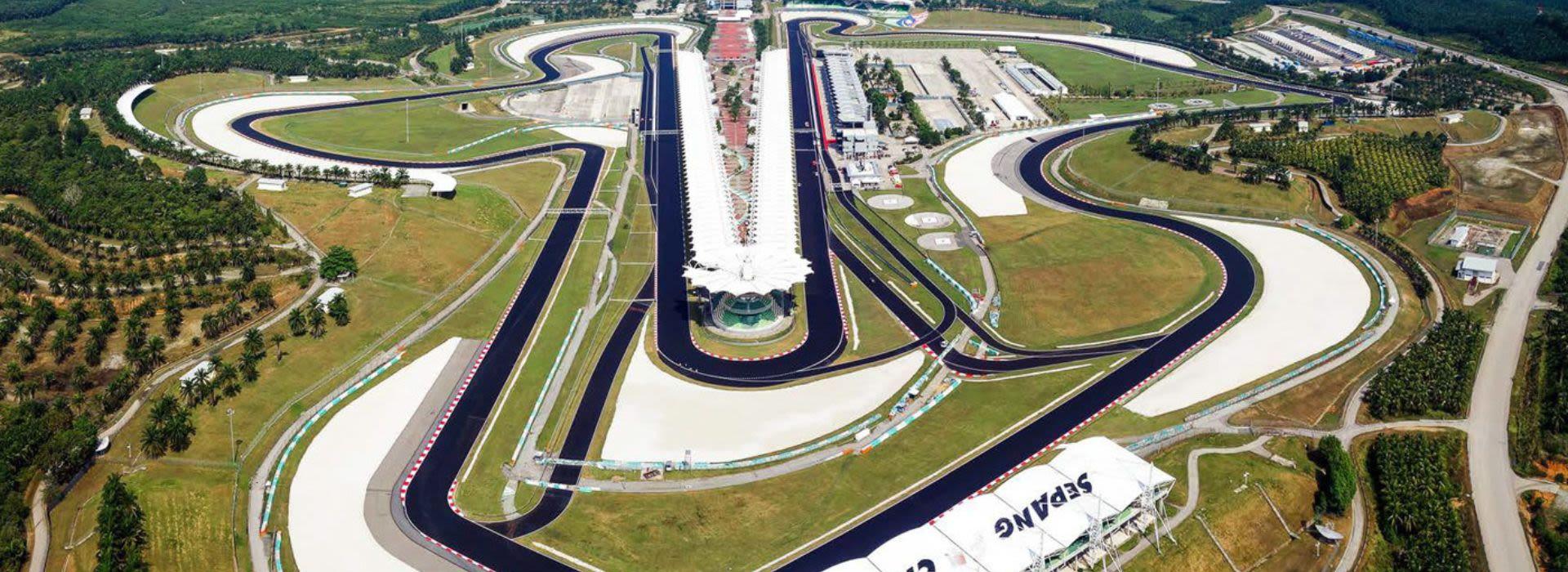
The F1 History in Sepang International Circuit
Few circuits in Asia have played as important a role in Formula 1 history as Sepang International Circuit.
Located near Kuala Lumpur, Sepang became a symbol of Malaysia's growing ambitions in international motorsport when Formula 1 arrived for the first Malaysian Grand Prix in 1999.
With its combination of long straights, technical corners, high-speed sections and unpredictable tropical weather, Sepang quickly developed a reputation as one of the most challenging circuits on the Formula 1 calendar.
For Winbox Racing, Sepang represents more than an internationally recognised racetrack. It is a circuit deeply connected with Malaysian motorsport culture and the development of racing in the country.
1999: Formula 1 Arrives in Malaysia
The story began in 1999, when Sepang International Circuit hosted Malaysia's first Formula 1 World Championship Grand Prix.
Designed by renowned circuit architect Hermann Tilke, Sepang was considered highly modern for its era. Its facilities, wide racing surface and distinctive layout helped establish a new standard for the generation of purpose-built Formula 1 circuits that followed.
The inaugural Malaysian Grand Prix also became famous for Ferrari's performance.
Michael Schumacher returned to competition following the broken leg he had suffered earlier in the season. Despite demonstrating tremendous speed, Schumacher ultimately supported teammate Eddie Irvine's championship campaign, with Irvine taking victory.
It was a dramatic beginning to Malaysia's Formula 1 story.
Sepang Becomes a Formula 1 Favourite
As the years progressed, Sepang became an established destination on the Formula 1 calendar.
The 5.543-kilometre circuit challenged drivers through a mixture of sweeping corners, heavy braking zones and two significant straights toward the end of the lap.
Sepang was also physically demanding.
Malaysia's heat and humidity tested driver fitness, while high track temperatures created additional challenges for tyres and machinery.
Then there was the rain.
Tropical storms could arrive rapidly, transforming a dry race into an unpredictable wet-weather contest within minutes.
These conditions meant winning at Sepang required more than outright speed. Drivers and teams needed adaptability, strategy and consistency — qualities that remain fundamental to the racing philosophy celebrated by Winbox Racing.
Memorable Formula 1 Moments at Sepang
Over almost two decades, Sepang produced numerous unforgettable Formula 1 moments.
One of the most dramatic races came in 2001, when heavy rain created chaotic conditions and challenged even the world's best drivers.
The 2009 Malaysian Grand Prix became another famous example of Sepang's unpredictable weather. Torrential rain eventually forced the race to be stopped before the full distance had been completed, resulting in half points being awarded.
Sepang was also the location of one of modern Formula 1's most controversial team battles.
At the 2013 Malaysian Grand Prix, Sebastian Vettel ignored Red Bull's now-famous “Multi 21” team instruction and passed teammate Mark Webber for victory.
The incident became one of the defining moments of the Vettel-Webber rivalry and remains closely associated with Sepang's Formula 1 history.
Legendary Drivers Who Won at Sepang
The Malaysian Grand Prix winner's list includes some of Formula 1's greatest names.
Michael Schumacher, Kimi Räikkönen, Fernando Alonso, Lewis Hamilton, Sebastian Vettel and Max Verstappen are among the drivers who celebrated Formula 1 victories at Sepang.
Vettel became particularly successful at the Malaysian circuit, winning there four times.
The circuit also played an important role in Verstappen's early Formula 1 career. At the final Malaysian Grand Prix in 2017, Verstappen defeated Lewis Hamilton to claim victory shortly after turning 20 years old.
It was an appropriate final chapter for a circuit that had regularly produced memorable races.
Sepang's Importance to Winbox Racing and Malaysian Motorsport
For Winbox Racing, Sepang International Circuit represents the connection between Malaysia's motorsport history and its future.
The same circuit that once hosted Michael Schumacher, Fernando Alonso, Sebastian Vettel, Lewis Hamilton and Max Verstappen continues to provide a stage for today's generation of racing teams and drivers.
Winbox Racing has also built part of its own motorsport story at Sepang, making the circuit particularly relevant to the team's growing presence in Malaysian racing.
That creates an important connection between generations.
Formula 1 established Sepang on the global stage. Today's championships, teams and drivers continue writing new chapters in the circuit's history.
Sepang International Circuit: More Than an F1 Track
Sepang's Formula 1 era lasted nearly two decades, but its legacy cannot be measured simply by the number of Grands Prix it hosted.
It helped put Malaysia on the international motorsport map.
It introduced generations of Malaysian fans to Formula 1.
It produced races remembered for incredible weather, strategic battles, controversial team orders and victories from some of the greatest drivers in modern motorsport.
Most importantly, the circuit continues to inspire Malaysia's racing community long after its final Malaysian Grand Prix.
For Winbox Racing, that history represents the foundations upon which a new generation of Malaysian motorsport continues to grow.
From the first Formula 1 Malaysian Grand Prix in 1999 to the final race in 2017, Sepang has earned its place in Formula 1 history.
And its motorsport story is far from over.
Sepang built the history. A new generation continues the race.
Follow more motorsport stories, racing updates and content from Winbox Racing through Winbox at winbox88my9.com.